July 24, 2026
Plumbing emergencies can happen without warning and often require immediate action to prevent costly damage and protect the safety of your household. While some plumbing problems develop gradually, others escalate within minutes, allowing water or sewage to spread throughout the home. Understanding which situations require immediate professional attention helps homeowners minimize property damage, reduce repair costs, and restore normal operations as quickly as possible. Knowing how to respond before help arrives can also make a significant difference in limiting the overall impact. Reliable plumbing services play an essential role in resolving emergencies efficiently while preventing additional complications.
1. Understanding What Qualifies as a Plumbing Emergency
A plumbing emergency involves any situation that threatens your home's structure, disrupts essential water or drainage functions, or creates health and safety hazards. Unlike minor plumbing issues that can wait for a scheduled appointment, emergencies demand immediate attention because delaying repairs often results in significantly greater damage. Burst pipes, overflowing toilets, sewer backups, and gas line concerns are among the most common examples.
Recognizing the difference between an inconvenience and a true emergency helps homeowners make informed decisions. Calling experienced professionals quickly often prevents expensive repairs involving flooring, drywall, insulation, electrical systems, and personal belongings. It also helps reduce the amount of time your household is without essential plumbing functions.
2. Major Water Leaks Require Immediate Attention
One of the most common reasons homeowners request emergency plumbing services is a major water leak. A leaking supply line, broken fitting, or damaged appliance connection can release hundreds of gallons of water within a short period. Even if the leak appears manageable at first, hidden moisture can seep behind walls, beneath flooring, and into structural framing.
Watch for unexplained puddles, water stains, peeling paint, warped flooring, damp drywall, or unusually high water bills. Shutting off the main water supply while waiting for a plumber can significantly reduce damage. Acting quickly also lowers the likelihood of mold growth and expensive structural repairs. Early detection can save thousands of dollars in restoration expenses.
3. Burst Pipes Can Cause Extensive Property Damage
Burst pipes are among the most destructive plumbing emergencies because they release water rapidly throughout the home. Freezing temperatures, corrosion, excessive water pressure, aging materials, and accidental physical damage can all contribute to pipe failures. Older plumbing systems may be particularly vulnerable if they have not been inspected regularly.
If a pipe bursts, immediately turn off the home's main water valve and open faucets to relieve remaining pressure inside the system. Avoid attempting temporary repairs with tape or sealants unless specifically recommended by a professional. Prompt repairs help protect walls, ceilings, flooring, furniture, and electrical components from unnecessary water exposure. Quick action can also reduce the likelihood of long-term structural weakening.
4. Sewer Line Backups Create Serious Health Hazards
Sewer backups require immediate professional attention because wastewater contains bacteria, viruses, and other harmful contaminants. Water backing up into sinks, tubs, showers, or floor drains indicates that wastewater cannot exit the home properly. Strong sewer odors, multiple slow drains, and gurgling noises often provide early warning signs before a complete backup occurs.
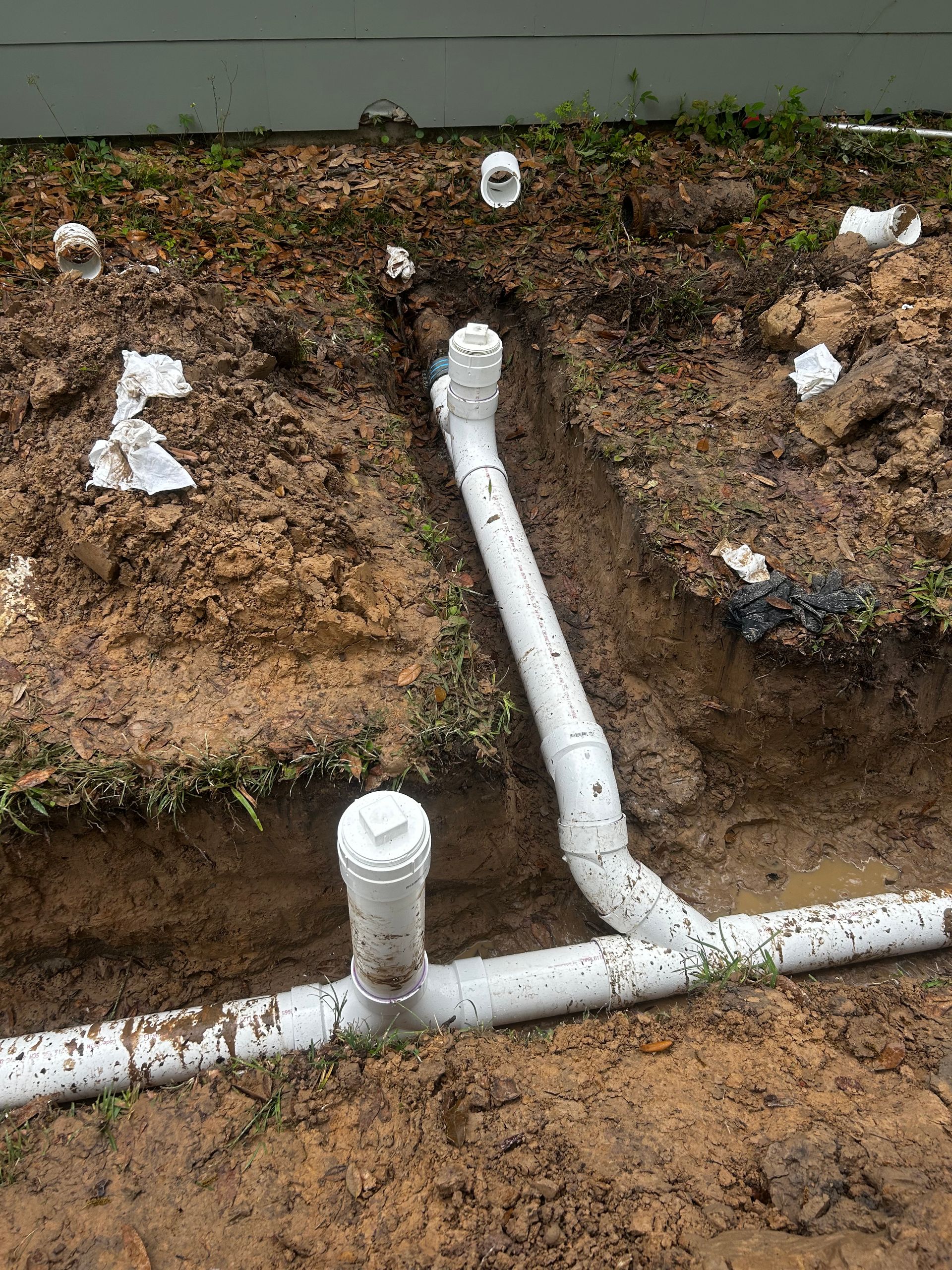
Avoid using sinks, toilets, or washing machines until the problem has been diagnosed. Continuing to use plumbing fixtures may worsen flooding inside the home. Professional technicians use specialized inspection equipment to identify blockages, tree root intrusion, damaged sewer lines, or collapsed piping before recommending the most effective repair solution. Thorough cleaning and sanitizing are often necessary after repairs are complete.
5. Overflowing Toilets Should Never Be Ignored
An overflowing toilet can quickly spread contaminated water throughout bathrooms and adjoining rooms. While a simple clog can sometimes be cleared with a plunger, repeated overflows or backups affecting multiple fixtures often indicate a larger drainage problem that requires professional evaluation. Ignoring the situation increases the risk of flooring damage and bacterial contamination.
Turn off the toilet's water supply valve if possible to stop additional overflow. Remove nearby rugs, towels, and other absorbent materials that could become contaminated. Calling qualified plumbing services promptly helps identify whether the problem is isolated to one fixture or involves the home's primary drain or sewer system. Proper cleanup also helps protect indoor air quality and prevents lingering odors.
6. Gas Leaks Require Immediate Action
Although natural gas systems differ from water lines, licensed plumbers are often qualified to repair gas piping and related connections. A sulfur or rotten egg odor, hissing sounds near gas lines, or unexplained dizziness and headaches inside the home may indicate a gas leak. Because natural gas is highly flammable, these situations should always be treated as emergencies.
If you suspect a gas leak, evacuate everyone from the home immediately without using electrical switches, appliances, or open flames. Contact your gas utility and emergency responders from a safe location before arranging professional plumbing services to inspect and repair the affected gas line once the area has been declared safe. Never re-enter the home until local authorities confirm it is safe to do so.
7. Water Heater Failures Can Become Emergencies
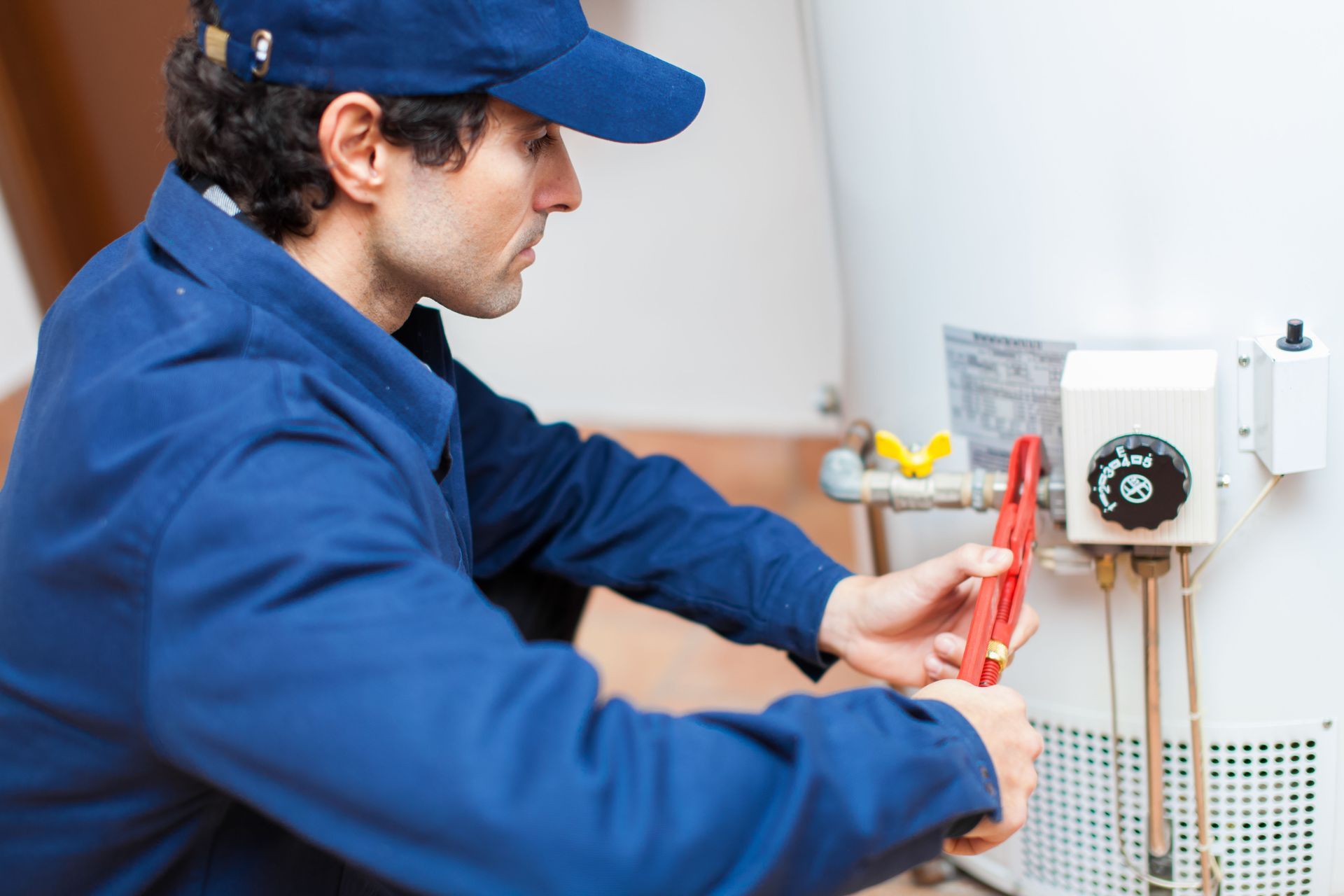
A malfunctioning water heater can create more than just an inconvenience. Large leaks around the tank, unusual banging or popping noises, rusty water, inconsistent temperatures, or complete loss of hot water may indicate serious internal problems. In some cases, pressure can build inside a damaged unit, creating additional safety concerns.
Shutting off the water supply to the heater and disconnecting its power source, when safe to do so, can help minimize damage until a technician arrives. Routine maintenance, including flushing sediment from the tank and inspecting valves, can reduce the likelihood of unexpected failures and extend the equipment's lifespan. Replacing aging units before they fail can also help avoid emergency situations.
8. Severe Drain Clogs That Affect Multiple Fixtures
While a single slow drain may not require emergency service, multiple clogged fixtures throughout the home often indicate a blockage deeper within the main drain line. Water backing up into showers when toilets are flushed or sinks draining slowly at the same time are common warning signs of a larger problem.
Avoid relying on harsh chemical drain cleaners because they can damage pipes and rarely solve serious blockages. Professional inspections using drain cameras allow technicians to locate obstructions accurately and recommend the most effective repair without unnecessary excavation or guesswork. This technology also helps identify developing issues before they become complete blockages.
9. Preventing Future Plumbing Emergencies
Many plumbing emergencies can be prevented through regular inspections and routine maintenance. Homeowners should periodically inspect exposed pipes, appliance connections, shutoff valves, and visible plumbing fixtures for signs of corrosion, leaks, or deterioration. Addressing small problems early often prevents major emergencies later.
According to IBISWorld, there are approximately 129,000 businesses in the plumbers industry in the United States, making qualified plumbing services readily available for both preventative maintenance and emergency repairs. Scheduling periodic inspections helps identify worn components before they fail unexpectedly and cause expensive property damage. Developing a seasonal maintenance checklist can further reduce the risk of sudden plumbing failures.
10. Know When to Call a Professional
Some minor plumbing problems can be managed temporarily, but situations involving flooding, burst pipes, sewer backups, gas leaks, or significant water heater failures should always be handled by experienced professionals. Attempting extensive repairs without the proper equipment or expertise may worsen the damage and increase repair costs.
Keeping emergency contact information readily available allows homeowners to respond quickly when unexpected plumbing problems occur. Reliable plumbing services provide the expertise needed to diagnose problems accurately, complete lasting repairs, and restore your home's plumbing system safely. Prompt action not only protects your property but also provides peace of mind during stressful situations. Contact our team at Marathon Plumbing today and learn more about our
plumbing services.